Understanding the Difference Between Normal Aging & Dementia
As we grow older, it's natural to notice some changes in memory, thinking, and processing information. Misplacing keys, forgetting a name temporarily, or needing a reminder about an appointment are common experiences for many older adults. But when cognitive changes become more frequent or begin affecting everyday life, they may be signs of dementia rather than normal aging.
Knowing the difference can help individuals and families take proactive steps toward evaluation, treatment, and support.
What Is Normal Aging?
Aging affects everyone differently, but certain mild cognitive changes are considered a normal part of getting older. These may include:
- Occasionally forgetting names or appointments but remembering them later
- Taking longer to learn new technology or information
- Sometimes struggling to find the right word during conversation
- Misplacing items from time to time
- Needing written reminders to stay organized
These changes are generally manageable and do not interfere significantly with daily activities, independence, or quality of life.
What Is Dementia?
Dementia is not a normal part of aging. It is a broad term used to describe a decline in cognitive abilities severe enough to impact daily functioning. Alzheimer's disease is the most common cause of dementia, but there are several other forms as well.
Dementia affects memory, reasoning, judgment, communication, and behavior. Symptoms typically worsen over time and can eventually require increased levels of care and support.
Key Differences Between Normal Aging & Dementia
Memory Loss That Disrupts Daily Life
- Normal Aging: Forgetting an appointment but remembering it later.
- Dementia: Frequently forgetting important dates, events, or conversations and relying heavily on others for reminders.
Difficulty Completing Familiar Tasks
- Normal Aging: Occasionally needing help setting up a new device.
- Dementia: Struggling to perform routine activities such as preparing meals, managing finances, or following familiar directions.
Problems with Language
- Normal Aging: Sometimes having trouble finding the right word.
- Dementia: Frequently stopping in the middle of conversations, repeating oneself, or substituting unusual words for common objects.
Poor Judgment & Decision-Making
- Normal Aging: Making an occasional mistake.
- Dementia: Demonstrating consistently poor judgment, such as falling for scams, neglecting personal hygiene, or making unsafe decisions.
Confusion About Time or Place
- Normal Aging: Momentarily forgetting what day it is.
- Dementia: Becoming confused about seasons, dates, locations, or how one arrived somewhere.
Changes in Mood or Personality
- Normal Aging: Feeling frustrated or stressed occasionally.
- Dementia: Experiencing significant mood swings, increased anxiety, suspicion, withdrawal from social activities, or personality changes.
When Should You Seek Help?
If memory loss or cognitive changes begin affecting daily life, it's important to consult a healthcare provider. Early evaluation can help identify the cause of symptoms and determine whether they are related to dementia, medication side effects, other health conditions, or normal aging.
Early diagnosis also provides families with more time to plan, access resources, and explore treatment options that may help manage symptoms.
Supporting Loved Ones Through Cognitive Changes
Watching a loved one experience memory loss can be challenging and emotional. Patience, understanding, and open communication are essential. Families should pay attention to changes over time rather than isolated incidents and seek professional guidance when concerns arise.
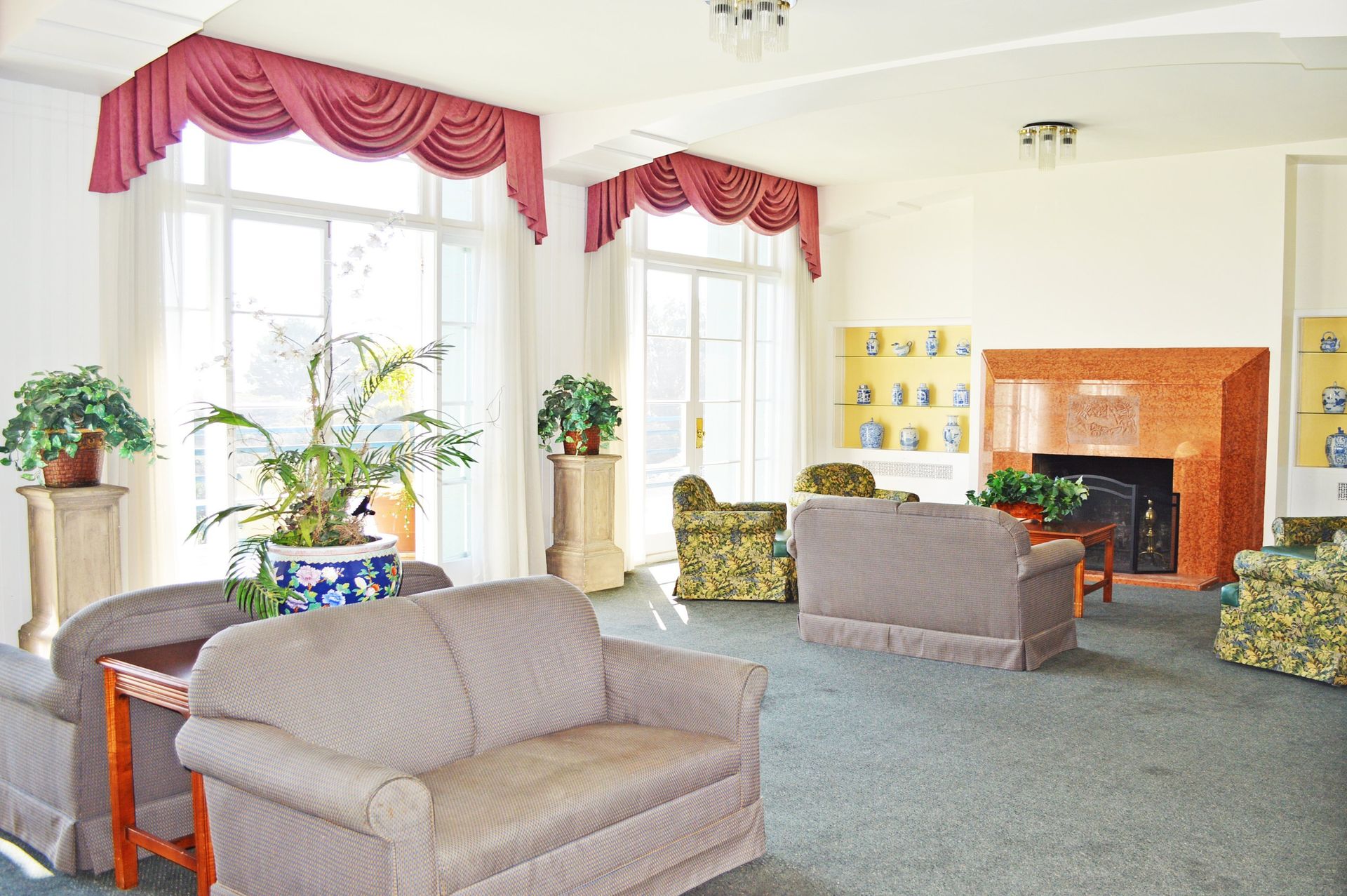
At communities like The Park Danforth, residents benefit from engaging activities, social connections, wellness programs, and supportive services designed to promote quality of life and overall well-being. Having a strong support system can make a meaningful difference for individuals experiencing cognitive changes and for the families who care about them.
Contact Our Assisted Living Facility to Request Modern Dementia Care
While some forgetfulness is a normal part of aging, dementia involves more significant changes that affect daily living and independence. Recognizing the warning signs early can lead to timely support, better planning, and improved outcomes for older adults and their families.
If you have concerns about memory loss in yourself or a loved one, don't hesitate to speak with one of the knowledgeable representatives at Buena Vista Manor. For years, our team has continued to provide reliable dementia care across the San Francisco, CA region. Simply contact our assisted living facility to learn more about our elderly care options.